.jpg)

Jack International
- Prosenjit
- Oct 3
- 4 min read

Updated: Oct 4
Mastering E-commerce Logistics for Seamless Delivery
In today's fast-paced digital world, the success of an online business hinges on how efficiently products reach customers. The backbone of this success is a well-structured e-commerce supply chain. From sourcing raw materials to delivering the final product, every step must be optimized to ensure customer satisfaction and business growth. This article explores the essential components of mastering the e-commerce supply chain, focusing on practical strategies to achieve seamless delivery.
Understanding the E-commerce Supply Chain
The e-commerce supply chain is a complex network that involves multiple stages, including procurement, warehousing, inventory management, order fulfillment, and last-mile delivery. Each stage plays a critical role in ensuring that products are available, packaged correctly, and delivered on time.
To optimize the e-commerce supply chain, businesses must focus on:
Supplier relationships: Building strong partnerships with reliable suppliers ensures consistent product quality and availability.
Inventory management: Using real-time tracking systems helps prevent stockouts and overstock situations.
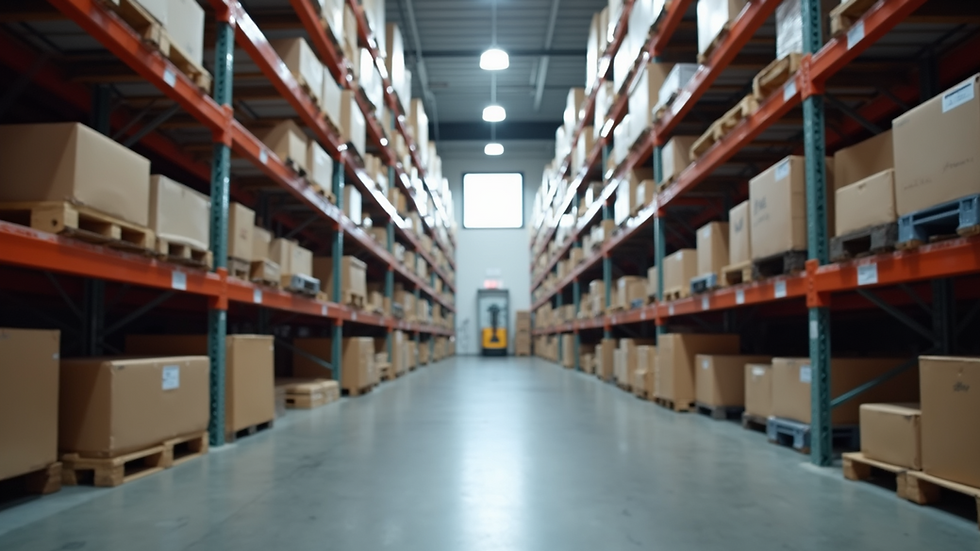
Warehouse efficiency: Organizing warehouses for quick picking and packing reduces order processing time.
Technology integration: Implementing software solutions for order management and logistics tracking enhances transparency and control.
By streamlining these elements, businesses can reduce costs, improve delivery speed, and enhance customer experience.
Key Strategies to Optimize Your E-commerce Supply Chain
Optimizing the e-commerce supply chain requires a combination of technology, process improvements, and strategic planning. Here are some actionable recommendations:
Leverage Data Analytics
Use data to forecast demand accurately. Analyzing past sales trends and seasonal fluctuations helps in maintaining optimal inventory levels.
Automate Order Processing
Automation reduces human error and speeds up order fulfillment. Integrate your ecommerce platform with warehouse management systems for seamless operations.
Choose the Right Fulfillment Model
Decide between in-house fulfillment, third-party logistics (3PL), or dropshipping based on your business size and product type.
Enhance Packaging and Labeling
Proper packaging protects products during transit and improves brand perception. Clear labeling ensures smooth handling and delivery.
Focus on Last-Mile Delivery
The final leg of delivery is crucial for customer satisfaction. Partner with reliable courier services and consider local delivery options to reduce transit time.
Implementing these strategies can significantly improve the efficiency and reliability of your e-commerce supply chain.

What are the Four Types of Logistics?
Logistics is a broad field that encompasses various types of operations essential for the movement and storage of goods. Understanding these types helps businesses manage their supply chain more effectively.
Inbound Logistics
This involves the transportation, storage, and receipt of goods coming into a business. It includes sourcing raw materials and components from suppliers.
Outbound Logistics
Outbound logistics covers the processes related to storing, transporting, and delivering finished products to customers.
Reverse Logistics
This type deals with returns, recycling, and disposal of products. Efficient reverse logistics can improve customer satisfaction and reduce waste.
Third-Party Logistics (3PL)
3PL providers offer outsourced logistics services, including warehousing, transportation, and fulfillment, allowing businesses to focus on core activities.
By mastering these logistics types, e-commerce businesses can create a robust supply chain that supports growth and customer loyalty.

The Role of Technology in Enhancing E-Commerce Supply Chain
Technology is a game-changer in the e-commerce supply chain. It enables businesses to automate processes, gain real-time visibility, and make data-driven decisions.
Inventory Management Systems (IMS): Track stock levels, manage reorder points, and reduce carrying costs.
Warehouse Management Systems (WMS): Optimize storage, picking, and packing operations.
Transportation Management Systems (TMS): Plan and execute efficient shipping routes.
Customer Relationship Management (CRM): Improve communication and service quality.
Artificial Intelligence (AI) and Machine Learning (ML): Predict demand, optimize routes, and personalize customer experiences.
Investing in these technologies not only improves operational efficiency but also enhances the overall customer journey.
Building a Resilient E-commerce Supply Chain
Resilience in the e-commerce supply chain means the ability to adapt and recover quickly from disruptions such as supply shortages, transportation delays, or sudden demand spikes.
To build resilience:
Diversify Suppliers: Avoid dependency on a single supplier to mitigate risks.
Maintain Safety Stock: Keep buffer inventory to handle unexpected demand.
Develop Contingency Plans: Prepare alternative logistics routes and backup fulfillment options.
Monitor Supply Chain Performance: Use KPIs to identify weaknesses and improve continuously.
Collaborate with Partners: Foster transparent communication with suppliers and logistics providers.
A resilient supply chain ensures that your business can maintain seamless delivery even in challenging situations.
Final Thoughts on Mastering E-commerce Supply Chain
Mastering the e-commerce supply chain is essential for delivering a superior customer experience and staying competitive. By focusing on efficient processes, leveraging technology, and building resilience, businesses can ensure timely and reliable delivery.
For those looking to enhance their e-commerce logistics capabilities, partnering with experienced providers can offer valuable expertise and resources. Remember, a well-managed supply chain is not just about moving products - it’s about creating trust and satisfaction that keeps customers coming back.
Start optimizing your e-commerce supply chain today to unlock new growth opportunities and deliver excellence at every step.


Comments